
Estudio del “Cajón”
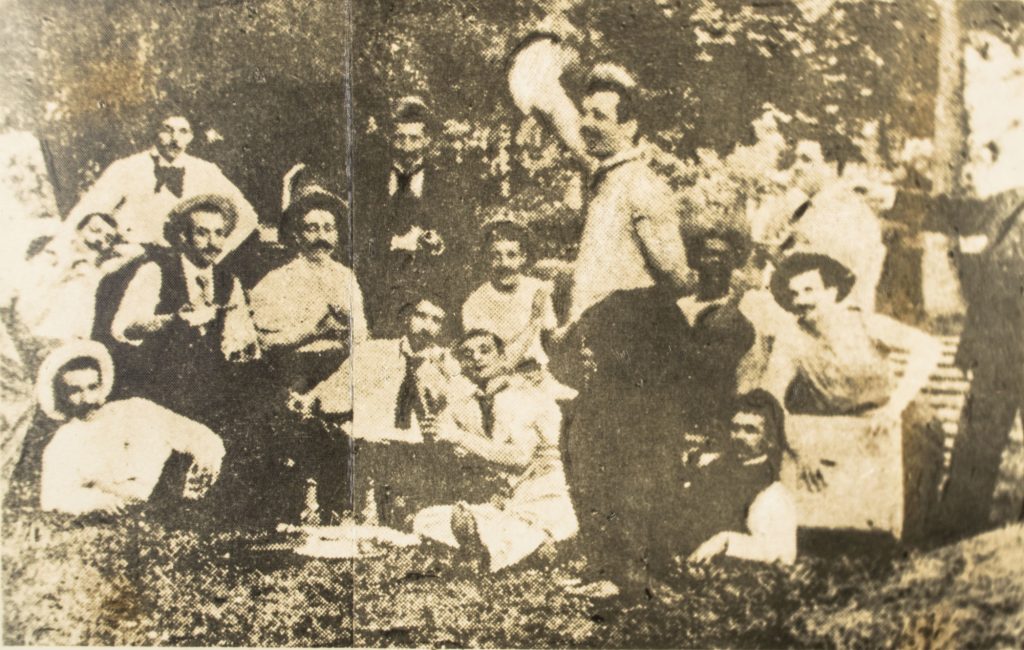
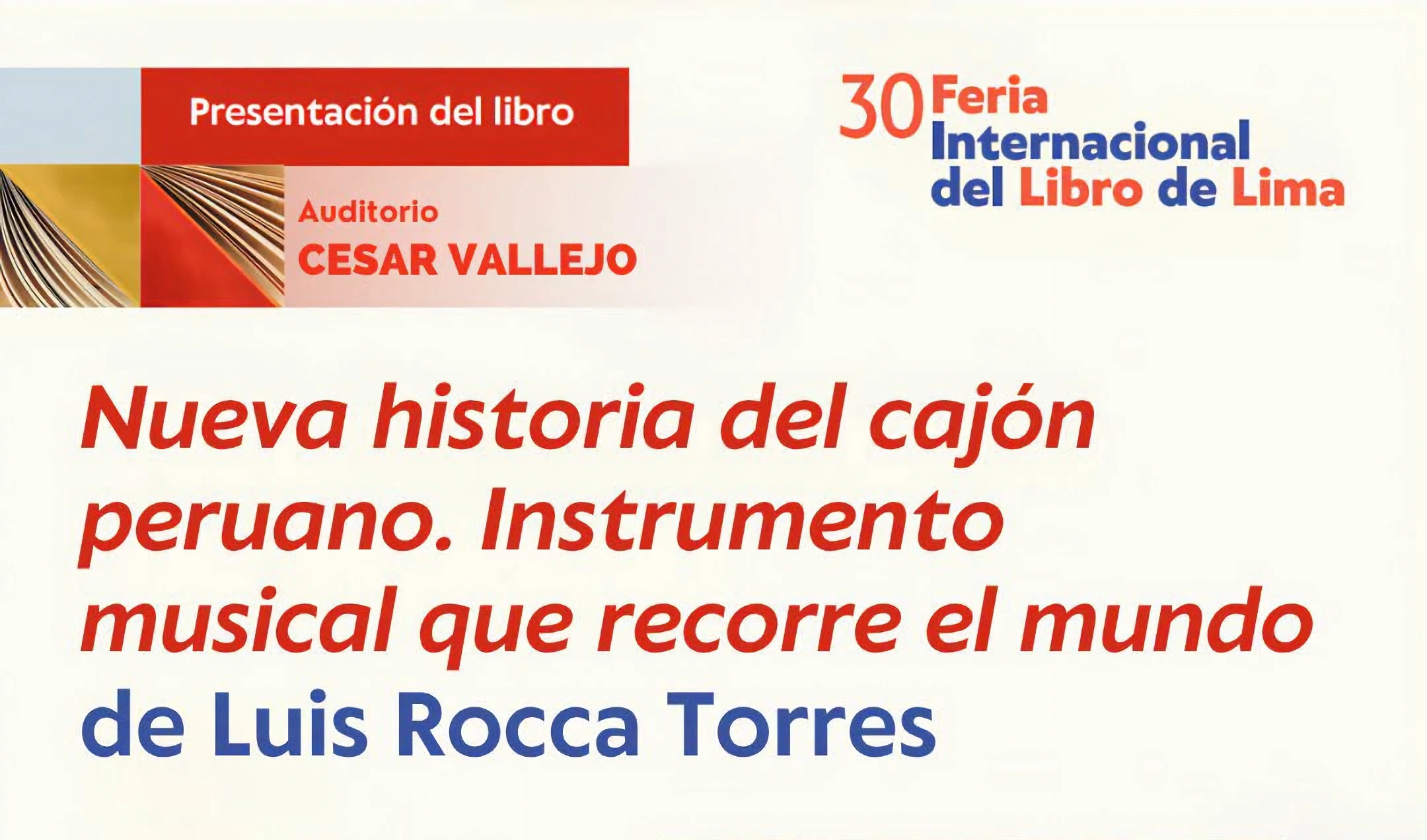
Visitamos la “Feria Internacional del Libro de Lima” para presenciar la presentación del libro “Nueva historia del cajón peruano – Instrumento que recorre el mundo”, del autor peruano Luis Rocca Torres. El libro es un recorrido desde los orígenes del cajón, hasta su consolidación como instrumento musical de carácter universal, con información detallada y muy interesante en sus páginas. Los asistentes que llenaron la sala gozaron de momentos inolvidables, como observar la primera foto de un “Cajón” en la historia (fechada en 1897), escuchar las referencias del lugar exacto en el Perú donde se dieron las primeras “Cajoneadas” en el mundo: “Malambo”, y la mención sobre las primeras mujeres que tocaron el “Cajón” documentadas.
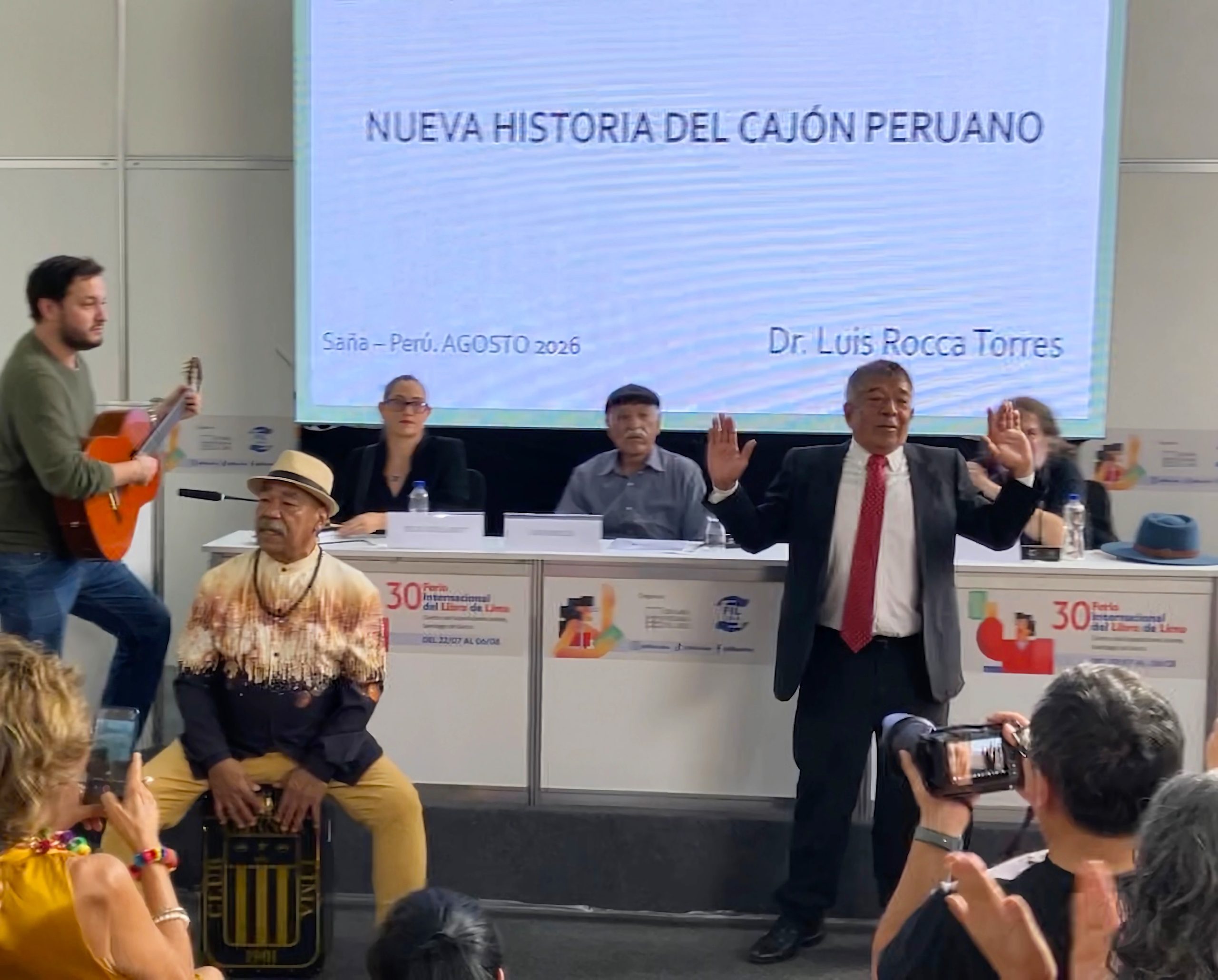
Cerrando ese momento de cultura y conocimiento, se presentaron tres artistas, uno de ellos “Cajonero” experimentado de manos diestras, quienes interpretaron música en vivo para los presentes…
Fue una experiencia hermosa y nutritiva, en especial para aquellos interesados en “Su majestad el Cajón” -tal como lo llamó Nicomedes Santa Cruz, autor mencionado como referencia en la exposición-.
Study of the “Cajón”
We visited the “International Book Fair of Lima” to attend the presentation of the book “New History of the Peruvian Cajón – An Instrument That Travels the World,” by the Peruvian author Luis Rocca Torres. The book takes readers on a journey from the origins of the cajón to its establishment as a universal musical instrument, with detailed and very interesting information throughout its pages. The attendees who filled the room enjoyed unforgettable moments, such as seeing the first photo of a “Cajón” in history, dated 1897, hearing references to “Malambo,” the exact place in Peru where the first “Cajoneadas” in the world took place, and the mention of the first women documented to play the “Cajón.” Closing this moment of culture and knowledge, three artists performed live music for those present, including an experienced “Cajonero” with skillful hands… It was a beautiful and enriching experience, especially for those interested in “His Majesty the Cajón” – as Nicomedes Santa Cruz, an author mentioned as a reference in the presentation, called it.